
How Much Does Web Design Cost in 2026? A Small Business Price Guide


- Web Design
- Planning and creating a website's visual appearance, layout, navigation, and user experience.
- Web Development
- Turning website designs into functional webpages, forms, content management systems, and other features.
- Responsive Design
- Designing a website to adapt to mobile phones, tablets, and desktop screens.
- Custom Website
- A website designed or developed for a business's particular requirements rather than relying entirely on a standard template.
- Website Maintenance
- The ongoing work required to keep a website updated, secure, functional, and reliable.
How Much Does Web Design Cost in 2026? A Small Business Price Guide
If you're planning a new website for your business, one of the first questions you'll probably ask is: How much does web design cost?
The answer depends on what you're building. A simple website created with a template may cost a few hundred dollars to set up, while a professionally designed business website can require several thousand dollars. Custom websites with booking systems, customer accounts, or ecommerce functionality can cost considerably more.
The difference isn't always about appearance. Two websites may look equally polished, but one might be a five-page informational site while the other manages customer inquiries, bookings, payments, and business operations.
This guide explains web design costs in 2026, what affects pricing, which expenses to expect after launch, and how to choose a reasonable budget for your business.
How Much Does Web Design Cost in 2026?
Website design costs range from low-cost DIY subscriptions to substantial investments in custom design and development.
For a US small business, the following estimates provide a starting point for budgeting.
Website approach | Illustrative upfront budget | Best for |
|---|---|---|
DIY website builder | $0–$500, excluding your time | Personal sites and simple business websites |
Template-based professional website | $750–$2,500 | Small businesses with straightforward requirements |
Professional small business website | $1,500–$8,000 | Service businesses and growing companies |
Custom business website | $5,000–$20,000+ | Businesses requiring specialized design or functionality |
Ecommerce website | $3,000–$30,000+ | Businesses selling products online |
These figures are broad budgeting scenarios in US dollars, not standardized industry rates, official national averages, or guaranteed quotes. Costs overlap because different providers include different services. Platform subscriptions, transaction fees, and ongoing operating costs may be additional.
A five-page website for a local plumber may be relatively straightforward. A website for a rental company that needs online availability, reservations, and payment processing will require more planning, development, and testing.
At CodenVibe, website projects currently start from approximately $1,500, with final pricing based on the requirements and scope. You can explore our custom web development services for more details.
What's Included in Web Design Costs?
Before comparing website prices, it's important to understand what you're actually paying for.
Some designers quote only for visual design. Others include everything from initial planning to development, testing, and website launch.
Website Planning and Structure
Planning identifies what your website needs to accomplish.
For a service business, that might mean helping customers understand available services and request an estimate. For an online retailer, it means helping shoppers find products and complete purchases.
This stage can include page planning, navigation, user journeys, and wireframes. More complex businesses may require additional research before visual design begins.
UI/UX and Visual Design
User interface (UI) design covers the site's appearance, including colors, typography, spacing, buttons, images, and page layouts.
User experience (UX) design focuses on how easily visitors can navigate the website and complete important tasks.
A basic project might use an existing design system. A more expensive project may involve original page designs, multiple review rounds, and detailed interaction patterns.
Website Development
Web development converts the approved designs into a working website.
This may include responsive layouts, contact forms, content management, analytics setup, and integration with other business tools.
Design-only projects and complete website projects are not directly comparable. If someone offers to design five pages in Figma, confirm whether their quote also includes building and launching those pages.
Testing and Launch
A professional website should be tested before customers start using it.
Testing commonly covers mobile layouts, browser compatibility, navigation, forms, broken links, and essential website functionality.
Accessibility also deserves attention. The W3C Web Content Accessibility Guidelines provide recognized standards for making websites more usable for people with disabilities.
Ask your provider what level of accessibility testing is included rather than assuming the website will automatically meet a particular standard.
What Factors Affect Website Design Pricing?
Several factors determine how much work your website requires.
1. Number of Pages and Unique Layouts
A single-page website generally requires less work than a business website with several service pages, location pages, case studies, and a blog.
However, the number of pages alone doesn't determine the price.
Ten pages using three reusable layouts may be easier to build than five pages with completely different designs and interactive features.
When requesting a quote, provide both the estimated page count and the types of pages you need.
2. Custom Design vs. Templates
A template provides a ready-made starting point, usually reducing the amount of original design work required.
Custom design gives you more control over layout, branding, navigation, and the visitor experience.
Neither approach is automatically better.
For a small company that needs a professional online presence quickly, a customized template may be sufficient. A growing business with unusual workflows or complex requirements may benefit from custom development.
Our guide to custom websites vs. WordPress and Shopify explains when an existing platform makes sense and when custom code becomes worthwhile.
3. Website Features and Integrations
Functionality can have a greater impact on cost than page count.
Features that often increase development requirements include:
Appointment scheduling and booking systems
Ecommerce checkout and payment processing
Customer accounts and login functionality
Product filtering and inventory management
CRM and email marketing integrations
Multilingual content
Custom dashboards or customer portals
For example, adding a link to an established booking service may be relatively simple. Developing a custom reservation system with availability rules, deposits, and cancellation management is a different project.
Start by listing essential features. You can usually add less important functionality after launch.
4. Content, Copywriting, and Images
A website needs more than attractive layouts.
Service descriptions, page headings, product information, photography, and calls to action all affect how useful the finished website will be.
If your business already has approved content and suitable images, the design process may require less preparation.
If the provider must write every page, source photography, or organize a large product catalog, these services may increase the quote.
Confirm whether content creation is included before comparing prices.
5. SEO, Performance, and Accessibility
A low-cost website isn't necessarily a poor website, and an expensive design doesn't guarantee better search rankings.
Regardless of price, a business website should have a sensible page structure, mobile-friendly layouts, descriptive headings, and working navigation.
Google's SEO Starter Guide explains the foundations of making content understandable and accessible to search engines.
Performance also matters. Google's Core Web Vitals guidance focuses on loading performance, responsiveness, and visual stability.
Ask whether the quote includes technical SEO basics, performance checks, and accessibility considerations. Ongoing SEO campaigns are usually a separate service.
DIY Website Builder vs. Freelancer vs. Agency
Choosing who builds your website can be just as important as choosing its features.
DIY Website Builders
Platforms such as Wix allow business owners to create websites using ready-made templates and visual editors.
This option works well when your requirements are simple and you have enough time to create and manage the website yourself.
However, you'll need to handle content, layout decisions, testing, and future updates.
You can review current subscription options on the official Wix pricing page.
Freelance Web Designers
A freelancer may offer more personalized design work than a DIY builder without requiring a larger project team.
Freelancers can be a good fit for small websites, landing pages, and clearly defined redesigns.
The important consideration is whether one person can deliver everything your project requires.
A designer may not provide development, copywriting, technical SEO, or post-launch maintenance. Those services should be confirmed in advance.
Web Design and Development Teams
A professional team may handle planning, UI/UX design, development, testing, and deployment within one project.
This is useful when your website needs several coordinated services or must connect with existing business systems.
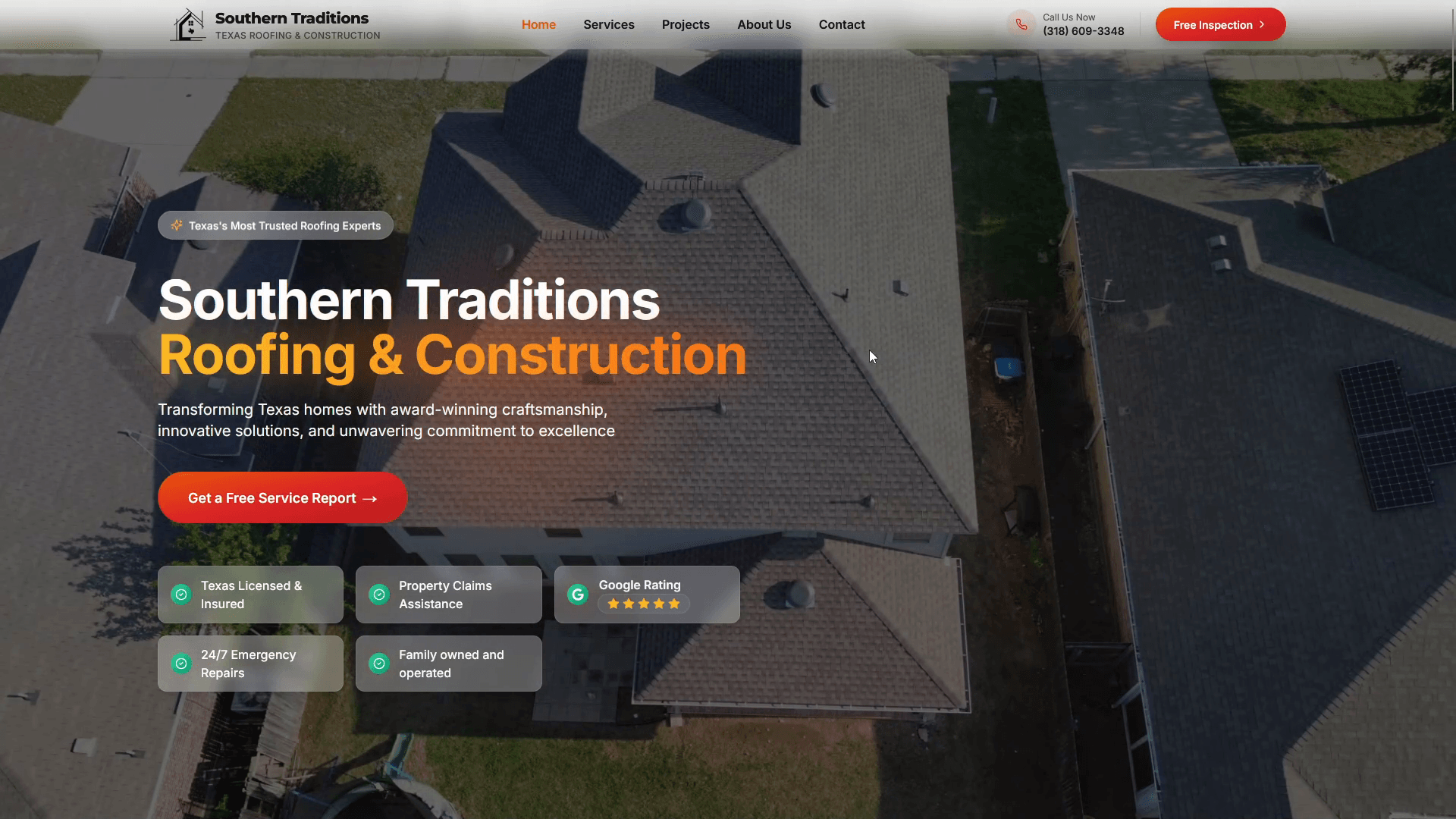
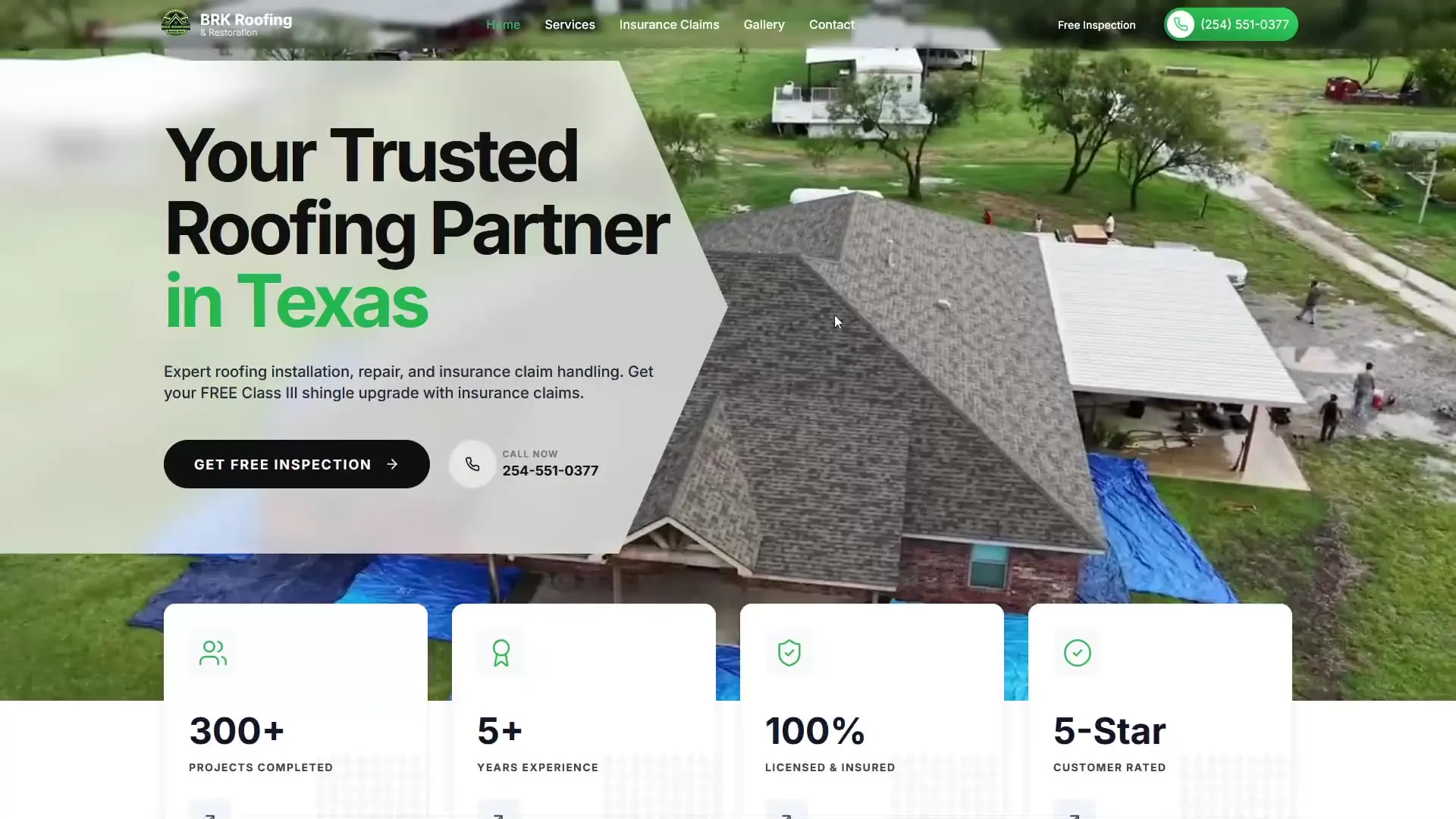
For example, a roofing company might need service pages, a project gallery, estimate forms, and lead tracking. The website must not only explain the business but also support customer inquiries.
CodenVibe's project portfolio includes examples of websites built for service businesses, ecommerce companies, hospitality businesses, and other industries.
The right choice depends on project scope, available budget, and how much responsibility you want to manage yourself.
How Much Does It Cost to Maintain a Website?
Your initial web design budget covers the work required to create the website. It doesn't necessarily cover everything required to keep it running.
Consider these recurring expenses before committing to a project.
Domain Name and Hosting
A domain name is the address visitors use to find your website.
Hosting provides the infrastructure required to make the website accessible online.
Both can involve recurring fees. Hosting costs depend on the website's traffic, platform, storage requirements, and technical architecture.
Some hosted website builders include hosting in their subscriptions, while custom websites may use separate hosting services.
Software Subscriptions and Premium Features
Certain website features rely on paid tools.
Examples include premium themes, booking platforms, email marketing services, analytics products, and ecommerce applications.
For online stores, subscription pricing and payment-processing fees should be considered separately from the initial design cost.
Check the official Shopify pricing page if you're evaluating a hosted ecommerce store.
Website Updates and Maintenance
Websites may need security updates, bug fixes, backups, content changes, and performance monitoring after launch.
A basic informational site may require relatively little work. A website handling customer accounts, transactions, and several integrations may need more frequent technical attention.
CodenVibe offers website maintenance and support for businesses that need ongoing website care.
Before signing an agreement, establish whether maintenance is included, optional, or billed separately.
Example: The First-Year Cost of a Small Business Website
Consider a hypothetical US service business planning a five-page website with a responsive design, service information, and a contact form.
Its first-year budget might look like this:
Expense | Example cost |
|---|---|
Website design and development | $3,000 |
Domain registration | $20 |
Hosting | $180 |
Software and additional tools | $240 |
Maintenance and updates | $600 |
Total first-year budget | $4,040 |
This is an illustrative budgeting example, not a CodenVibe quote or a statement of average market prices. Actual costs depend on providers, features, and service agreements.
In this scenario, the initial website build accounts for most of the expense, but the business also needs $1,040 for first-year operating and support costs.
Some websites will cost less to maintain, while others will cost substantially more.
This is why the total first-year budget is often more useful than looking at the initial design price alone.
Is Redesigning a Website Cheaper Than Building a New One?
Not always.
If your existing website has a reliable platform, well-organized content, and working functionality, a visual refresh may be less expensive than rebuilding everything.
However, an older website can require significant development work even when the requested change sounds simple.
For example, updating colors, typography, and page layouts may be straightforward. Replacing an outdated content management system while preserving URLs, customer data, and integrations requires more planning.
Before requesting a full rebuild, identify what's actually wrong with the existing website.
If the problems are mainly visual, a redesign may be appropriate. If the site has ongoing technical limitations, a more substantial rebuild could make sense.
How to Avoid Overpaying for Web Design
The best way to control website costs is to define your requirements before asking for quotes.
Start with the primary action you want visitors to take. This might be calling your business, requesting an estimate, scheduling a consultation, or purchasing a product.
Then identify the pages and functionality required to support that action.
When comparing proposals, ask:
What exactly is included? Request a written list of pages, features, and deliverables.
Is development included? Confirm whether you're receiving a working website or design files only.
Who creates the content? Establish responsibility for copywriting, images, and product information.
How many revisions are included? Understand what happens when you request changes.
Who owns the website? Confirm domain, hosting, content, and source-code ownership where applicable.
What happens after launch? Ask about bug fixes, training, support, and maintenance.
Which expenses are recurring? Identify hosting, software licenses, subscriptions, and service agreements.
A written scope helps prevent misunderstandings and makes it easier to compare providers fairly.
For a more detailed explanation of project estimates, read What a Custom Website Quote Includes, From $750 to $4,000.
How to Choose the Right Web Design Budget
The most sensible website budget depends on what the website needs to do for your business.
A new consultant may only need a few well-written pages, a professional appearance, and an easy way for prospective clients to make contact.
A local contractor may need separate service pages, project examples, and a reliable estimate request form.
An ecommerce business may need product management, payment processing, shipping configuration, and customer support features.
Start with the version of the website that supports your immediate business goals.
If your current needs are simple, avoid paying for complicated features you won't use. If your operations depend on specialized workflows, choosing the cheapest possible solution may create unnecessary work later.
The goal isn't to buy the most expensive website. It's to pay for the design, functionality, and support your business actually needs.
Conclusion
How much does web design cost? For most businesses, the answer comes down to scope, functionality, and the level of professional support required.
DIY platforms can provide an affordable starting point. Template-based websites may suit smaller businesses with straightforward needs, while custom development becomes more relevant when the website must support specialized processes or integrations.
Remember to evaluate the complete cost of ownership, not just the initial quote. A website that fits your business, works reliably, and can be maintained without constant complications is usually a better investment than one chosen solely because it has the lowest price.
If you're planning a new website, start by defining the results you need. Then choose a realistic budget and request a proposal that clearly explains what you're paying for.
Frequently Asked Questions
Need help building this?
Our team specializes in custom software solutions. Let us handle the technical complexity.
Get a Free ConsultationAbout the Author

Engineering & Growth Team at CodenVibe
The CodenVibe team builds custom automation, API systems, and scalable web platforms for growing businesses. We share what we learn from the trenches of real client projects.