
What a Custom Website Quote Includes, From $750 to $4,000


- Custom Website Quote
- A proposal outlining the price, scope, features, deliverables, and conditions of a website development project.
- Website Development Cost
- The total expense of planning, designing, coding, testing, and launching a website.
- Project Scope
- The specific work, features, and responsibilities included in an agreed project.
- Project Deliverables
- The completed pages, functionality, files, and other outputs a developer agrees to provide.
- Responsive Web Design
- Designing a website to adapt to different screen sizes and devices.
A custom website can cost $750, $1,500, $2,500, or $4,000, yet two proposals at the same price may include very different services. One developer might offer a simple four-page website using an established design system, while another may include custom layouts, content setup, booking functionality, analytics, and post-launch support. Understanding these differences is essential before choosing a website development provider.
A custom website quote should explain exactly what you are paying for, which features are included, how the work will be completed, and what happens after launch. It should also identify additional expenses, such as hosting, domain registration, premium software, ongoing maintenance, and future modifications.
This guide breaks down what website projects may include across illustrative budgets of $750 to $4,000, explains how development costs are calculated, and provides a practical checklist for comparing proposals. The goal is to help small business owners make informed decisions without paying for unnecessary features or overlooking important requirements.
What Is a Custom Website Quote?
A custom website quote is a written proposal describing the work required to design, develop, test, and launch a website. It typically identifies the project scope, deliverables, price, timeline, payment schedule, and responsibilities of both the developer and the client.
Unlike an informal price estimate, a well-defined quote should specify what is included in the agreed price and what would require additional payment.
For example, a quote for a five-page business website might include a homepage, about page, service pages, and contact form. However, it may not include professional copywriting, logo design, appointment scheduling, premium photography, or ongoing search engine optimization.
The word custom also requires clarification. Some websites use a customized template, while others involve original interface design and custom-written application code. Both approaches can serve legitimate business needs, but their development costs and flexibility can differ.
For businesses exploring professionally developed websites, CodenVibe's custom web development services describe project packages based on page count, functionality, revision rounds, and support requirements.
A transparent quote makes these distinctions clear before work begins.
What Does a Custom Website Development Quote Usually Include?
A website proposal should describe the complete development process rather than simply provide a final price.
Most small business websites require planning, design, implementation, testing, and launch preparation. The amount of work within each stage depends on the project's requirements.
During planning, the developer identifies the target audience, business objectives, page structure, and essential functionality. Design work establishes the visual presentation, while development converts approved layouts into functional webpages.
Before launch, the website should be reviewed for broken links, usability issues, form functionality, and compatibility across relevant devices.
The proposal should also clarify whether the client can update the website independently and what level of assistance is available after delivery.
Understanding Website Project Scope and Deliverables
The project scope describes the work the provider has agreed to complete. Deliverables are the specific outputs the client should receive.
These details are essential because terms such as "fully customized website" or "SEO-friendly design" can mean different things to different providers.
A more useful proposal identifies measurable deliverables, such as five completed pages, a functional contact form, a defined number of revision rounds, and access to an administrative interface.
The scope should explain how changes are handled. For example, replacing a photograph may be part of a revision round, while adding a customer dashboard or payment system could require a separate development agreement.
Clients should also understand whether domain registration, hosting, content migration, and third-party software are included in the quoted amount.
CodenVibe's published packages illustrate this scope-based approach. Its Mini offering describes up to four pages and one revision round, while Starter includes approximately five to seven pages, two revision rounds, and thirty days of post-launch support.
Understanding deliverables helps clients compare proposals based on the work being performed rather than judging providers exclusively by price.
What Can You Get for a $750 to $1,500 Website Budget?
A budget between $750 and $1,500 may support a small, relatively straightforward business website, particularly when the client supplies content and the developer uses an established design framework.
At the lower end, projects commonly need strict limits on pages, customization, and integrations. A highly specialized application or complex website is unlikely to fit comfortably within this budget.
A simple website might introduce the business, describe its services, display contact information, and provide a form for customer inquiries.
The actual deliverables depend on the provider, geographic market, development method, and amount of client-provided material.
An illustrative project within this budget could include:
Three to five core pages: A homepage, about page, service information, and contact page.
Responsive layouts: Pages that adapt to common desktop, tablet, and mobile screen sizes.
Basic visual customization: Brand colors, typography, imagery, and layout adjustments.
Contact form: A simple inquiry form with submission confirmation.
Basic on-page SEO setup: Descriptive page titles, metadata, headings, and indexable content.
Navigation and footer: Menus, contact details, and essential business information.
Standard testing: Checks for common display problems, broken links, and form failures.
Basic launch assistance: Deployment to an agreed hosting environment.
Limited revisions: A specified number of design or content correction rounds.
These are examples of possible inclusions, not guaranteed features at every price point.
A $750 quote may exclude content writing, advanced animations, booking systems, ecommerce functionality, and ongoing maintenance.
Importantly, CodenVibe's currently advertised starting point for custom development is approximately $1,500. The $750 figure is included here to explain lower-budget proposals that buyers might encounter elsewhere, not to represent a published CodenVibe package.
What Changes When Your Website Budget Reaches $1,500 to $2,500?
A budget between $1,500 and $2,500 may provide additional flexibility for small business websites that need more detailed service information, distinctive presentation, or basic customer-facing functionality.
This range can accommodate projects with several interconnected pages, a clearer conversion strategy, and additional content organization.
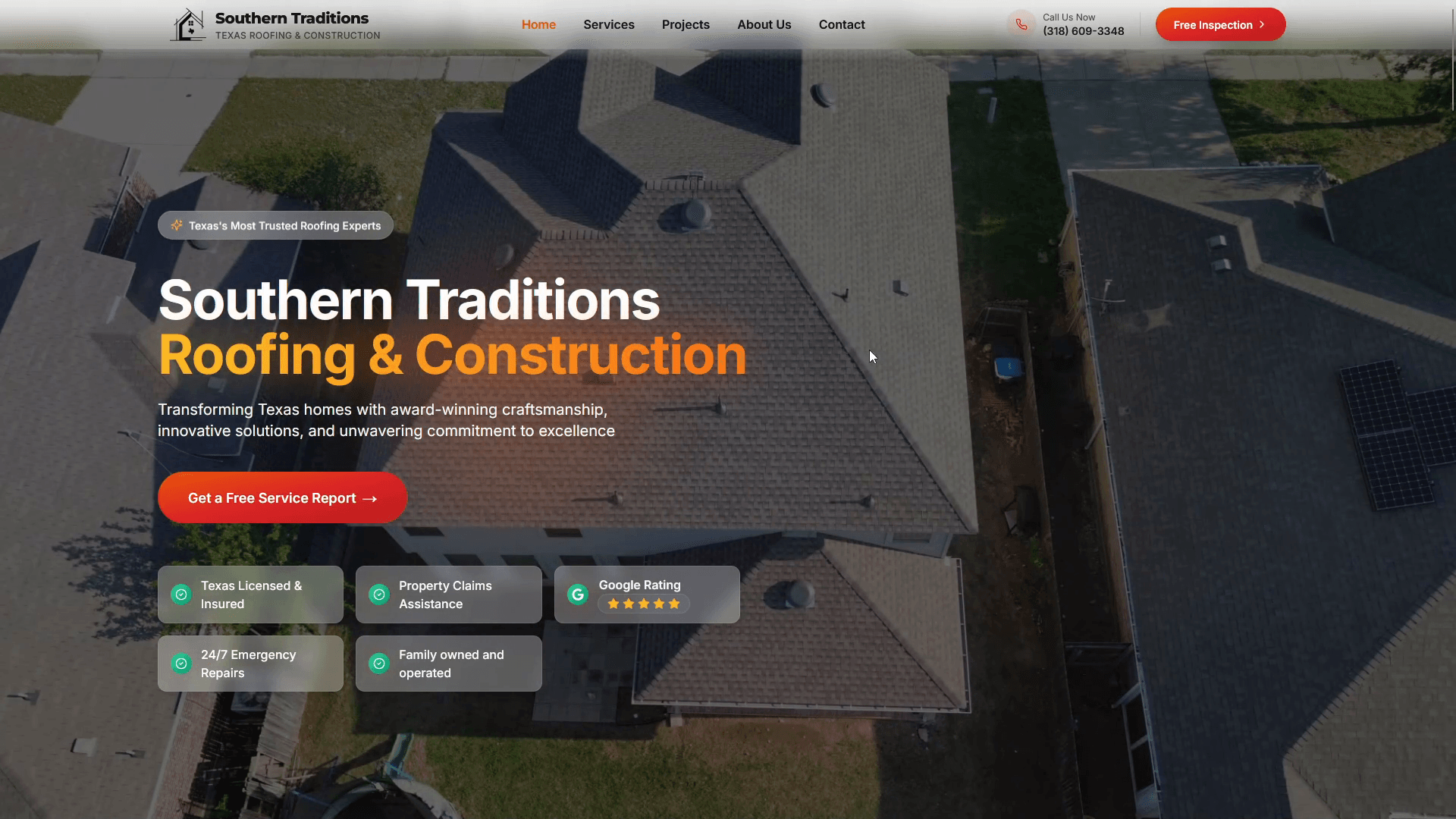
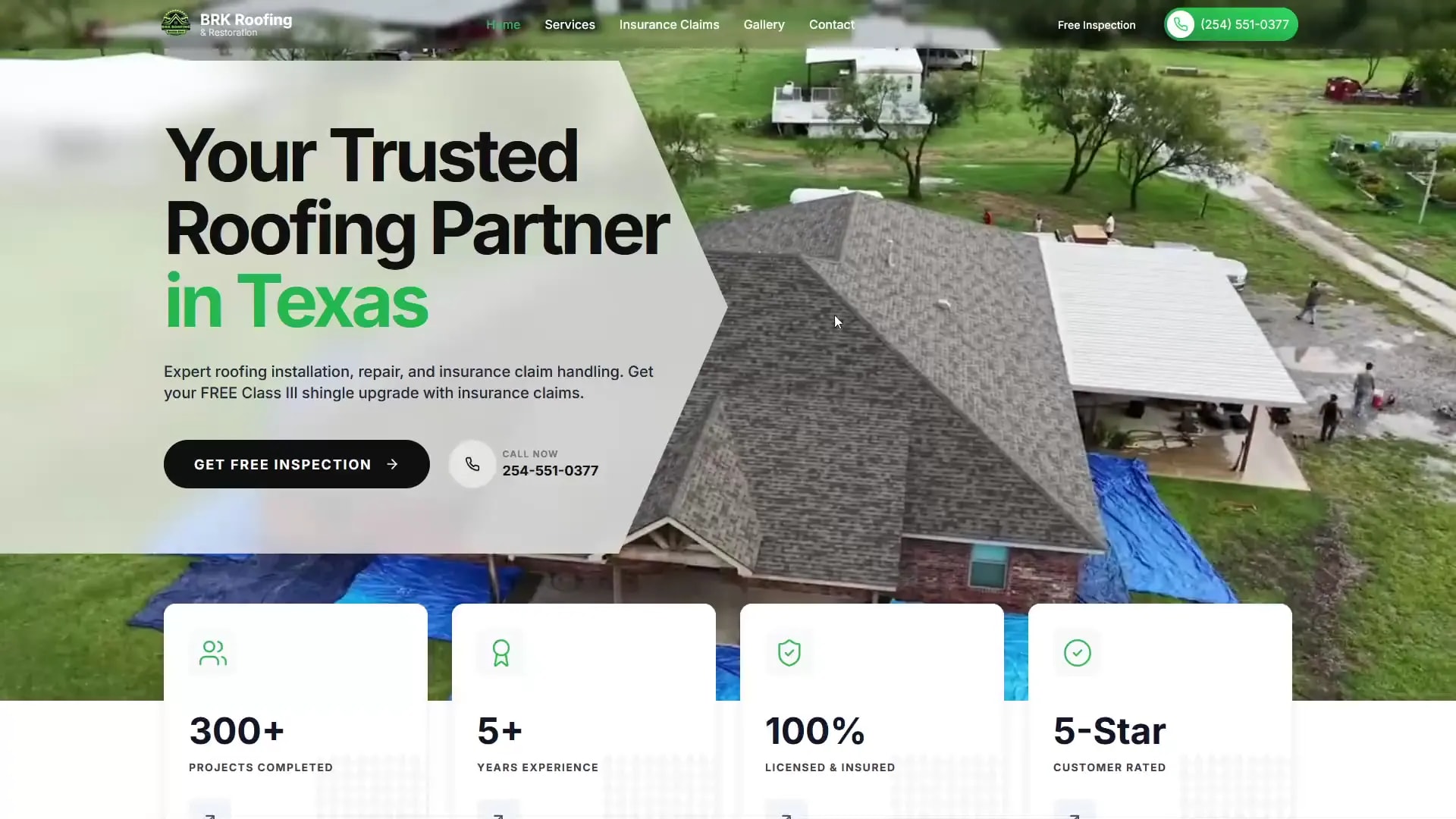
A local contractor, consultant, or professional service provider might need individual service pages, project examples, customer testimonials, and a more structured inquiry process.
However, an increased budget does not automatically mean that every advanced feature will be included. The provider should still define exactly what will be delivered.
Depending on project complexity, a proposal could include:
Expanded page structure: Additional service, portfolio, location, or FAQ pages.
More customized layouts: Page sections designed around the company's content and business goals.
Lead-generation planning: Clear paths for visitors to request estimates, appointments, or consultations.
Project galleries: Organized displays of completed work or relevant business examples.
Improved content management: A method for updating important website content.
Analytics configuration: Setup for appropriately configured website traffic and event measurement.
Foundational technical SEO: Descriptive URLs, metadata, internal linking, and sitemap configuration.
Accessibility considerations: Proper headings, labeled forms, keyboard navigation, and other relevant practices.
Additional quality assurance: More detailed testing across common devices and browsers.
Defined post-launch support: A limited period for resolving agreed launch-related issues.
These additions can make a website more useful for businesses that depend on online inquiries.
For example, a roofing company may need project photos and quote requests, while a consultant may need service descriptions and appointment inquiries.
CodenVibe's website development portfolio includes examples of projects across local services, hospitality, ecommerce, and other business categories.
Features That Increase Website Development Costs
Website development prices usually increase when a project requires more design work, development time, testing, or coordination with external systems.
The number of pages matters, but it is not the only factor. A simple ten-page informational website may require less engineering than a three-page application with account authentication and a booking system.
Complex functionality often introduces additional requirements such as database design, API authentication, transaction handling, security reviews, and error recovery.
Features that may increase the quote include:
Custom booking systems: Appointment availability, scheduling rules, and confirmation workflows.
Payment processing: Secure checkout integration, transaction handling, and payment status updates.
Customer accounts: Registration, authentication, and account-management features.
Third-party API integrations: Connections to CRMs, inventory systems, or other software.
Advanced content management: Custom administrative dashboards and structured content editing.
Multi-language functionality: Translated content, localization, and language-specific navigation.
Ecommerce features: Product catalogs, shopping carts, inventory connections, and order management.
Content migration: Moving existing pages, images, and URLs while preserving important information.
Complex visual effects: Interactive animations or specialized interface components requiring additional development and testing.
Each feature should be evaluated against the business problem it is intended to solve.
For example, integrating an established booking platform may be more economical than developing a new scheduling engine.
Website Costs That May Not Be Included in the Initial Quote
The development fee is not always the complete cost of operating a website.
Some expenses are billed separately because they involve third-party services or recurring infrastructure requirements.
A business should identify these expenses before signing a development agreement.
Common additional costs include:
Domain registration: The recurring fee for maintaining ownership of a domain name.
Web hosting: Infrastructure required to keep the website accessible.
Premium plugins or software: Subscriptions for specific features or integrations.
Professional copywriting: Creating original service descriptions and website content.
Branding and photography: Logo development, professional photographs, or other creative assets.
Email services: Business email hosting or transactional email delivery.
Advanced SEO services: Ongoing content, optimization, and technical improvements.
Website maintenance: Security updates, backups, monitoring, and ongoing technical assistance.
Additional revisions: Changes beyond the number agreed upon in the original scope.
Integration usage fees: Charges imposed by booking, payment, automation, or other third-party platforms.
For example, a provider might include the contact form itself but charge separately for connecting it to a paid CRM.
Clients should request a clear breakdown of one-time costs and recurring costs to avoid confusing website development expenses with long-term operating costs.
What Does a $2,500 to $4,000 Custom Website Quote Include?
A budget between $2,500 and $4,000 may support a more substantial small business website with greater attention to custom layouts, content organization, lead-generation workflows, and selected integrations.
Within this range, businesses may be able to prioritize features that directly support their operations rather than focusing only on how the website looks.
For example, a service company could require separate pages for several offerings, detailed project examples, appointment-request functionality, analytics events, and a more flexible content-management experience.
However, this budget does not guarantee complex ecommerce development, custom CRM systems, advanced dashboards, or unlimited integrations.
Those features may require a larger budget depending on their complexity.
A well-defined proposal should prioritize essential functionality and identify optional improvements that can be introduced later.
Rather than assuming a $4,000 website includes everything, buyers should assess whether the proposed features match their current business requirements and can be maintained over time.
How to Compare Custom Website Quotes Without Overpaying
Comparing website quotes requires more than checking the total price.
Two proposals can differ in page count, design originality, content responsibilities, launch preparation, revision allowances, ownership terms, and post-launch support.
A lower-priced proposal may provide excellent value when it meets the company's requirements without unnecessary complexity.
A higher-priced proposal may also be reasonable when it includes additional services that would otherwise need to be purchased separately.
Begin by checking whether each quote describes the same deliverables. If one provider includes content migration and analytics setup while another excludes them, their prices are not directly comparable.
Next, examine the level of support available after launch and whether the website can be updated without depending on the original developer.
Questions to Ask Before Accepting a Website Quote
A clear discussion before development begins can prevent misunderstandings about what the project includes.
Clients should request explanations for anything described vaguely, particularly technical features, SEO claims, and ongoing support commitments.
Useful questions include:
How many pages are included? Confirm the total number and whether different page layouts have different costs.
Is the design original or template-based? Understand how much visual customization is included.
Who provides the written content? Clarify responsibility for copywriting, images, and product information.
What functionality is included? Identify forms, booking tools, payments, integrations, and administrative features.
What SEO work is included? Ask whether this means technical setup, metadata, keyword research, or ongoing optimization.
How many revision rounds are allowed? Understand the difference between included revisions and paid change requests.
What testing is performed? Confirm mobile, browser, accessibility, and form-functionality checks.
Who owns the website? Clarify source-code rights, domain registration, hosting accounts, and content ownership.
What happens after launch? Identify warranty periods, support availability, and maintenance costs.
What is the payment schedule? Confirm deposits, milestones, final acceptance, and refund terms where applicable.
The answers should appear in the agreement rather than remain only in informal conversations.
How to Evaluate Website Quality and Technical Requirements
A website quote should address usability, accessibility, security, and search visibility as well as visual design.
For example, a visually attractive contact form provides limited value if customers cannot submit it successfully on a mobile device.
The W3C Web Accessibility Initiative recommends clear labels, useful instructions, understandable validation, and appropriate feedback for web forms.
Google's SEO Starter Guide also emphasizes useful content, descriptive page titles, logical organization, and crawlable links.
Important quality checks include:
Responsive design: Content adapts appropriately to mobile, tablet, and desktop displays.
Accessible navigation: Visitors can use menus and interactive elements with appropriate input methods.
Functional forms: Inquiries submit correctly and display clear success or error messages.
Performance testing: Important pages are evaluated for loading speed and responsiveness.
Basic security: The website uses HTTPS and appropriate application security practices.
Search accessibility: Important content and links can be discovered and understood by search engines.
Content accuracy: Services, business information, and contact details match the company's actual operations.
Browser testing: Essential features work in supported browsers.
Analytics verification: Configured measurement tools record the intended events without unnecessary data collection.
Backup and recovery planning: The business understands how website data can be restored after a failure.
No provider can guarantee specific Google rankings simply by building a website.
A realistic quote should explain the technical work being delivered rather than promise search results outside the developer's control.
Website Maintenance and Ownership After Launch
Website ownership and post-launch maintenance should be established before the project begins.
A business may pay for development but still discover that its domain, hosting account, source code, or administrative access is controlled by a third party.
This can make future updates or provider changes more difficult.
A clear agreement should identify who owns the final deliverables and what rights transfer after payment. It should also explain whether the client receives access to website files, an administrative interface, hosting credentials, and necessary documentation.
Maintenance is a separate consideration.
Websites may require security updates, performance monitoring, content changes, software compatibility testing, and backup management.
Some developers include a short support period after launch, while others offer ongoing maintenance subscriptions.
CodenVibe's website maintenance and support services describe different levels of ongoing care, including hosting, monitoring, security updates, and technical support.
The appropriate maintenance arrangement depends on the site's technical architecture and how frequently business information changes.
For a small informational website, periodic maintenance may be sufficient. A business-critical website with booking, payments, or several integrations may require more structured monitoring and support.
How to Choose the Right Website Budget for Your Business
The right website budget depends on what the business needs the website to accomplish.
A startup that only needs to establish a credible online presence may not require the same functionality as a service company managing daily estimate requests.
Similarly, a consulting business may prioritize clear service explanations and scheduling, while an ecommerce company may need product management, payment processing, and inventory synchronization.
Instead of selecting a price first and trying to fit every possible feature into it, identify the essential pages, customer actions, and operational requirements.
Then separate those requirements from enhancements that can be added later.
For illustration, a $750–$1,500 project might focus on a compact informational website, a $1,500–$2,500 project might allow more detailed service content and customization, and a $2,500–$4,000 project might accommodate a broader site with selected integrations.
These are budgeting scenarios, not standardized market price bands or guaranteed provider packages.
CodenVibe currently describes its custom website engagements as starting at approximately $1,500, with final pricing determined by the approved project scope.
The most useful website quote is one that clearly connects price to deliverables, establishes ownership and support responsibilities, and gives the business enough information to evaluate long-term value.
Frequently Asked Questions
Need help building this?
Our team specializes in custom software solutions. Let us handle the technical complexity.
Get a Free ConsultationAbout the Author

Engineering & Growth Team at CodenVibe
The CodenVibe team builds custom automation, API systems, and scalable web platforms for growing businesses. We share what we learn from the trenches of real client projects.