

E-commerce Web Design That Converts
“Custom Shopify, WooCommerce, headless, and Django storefronts for brands that outgrew default themes.”
The Archive
A curated selection of our most impactful system records and infrastructure deployments.
Showing 9 Case Studies
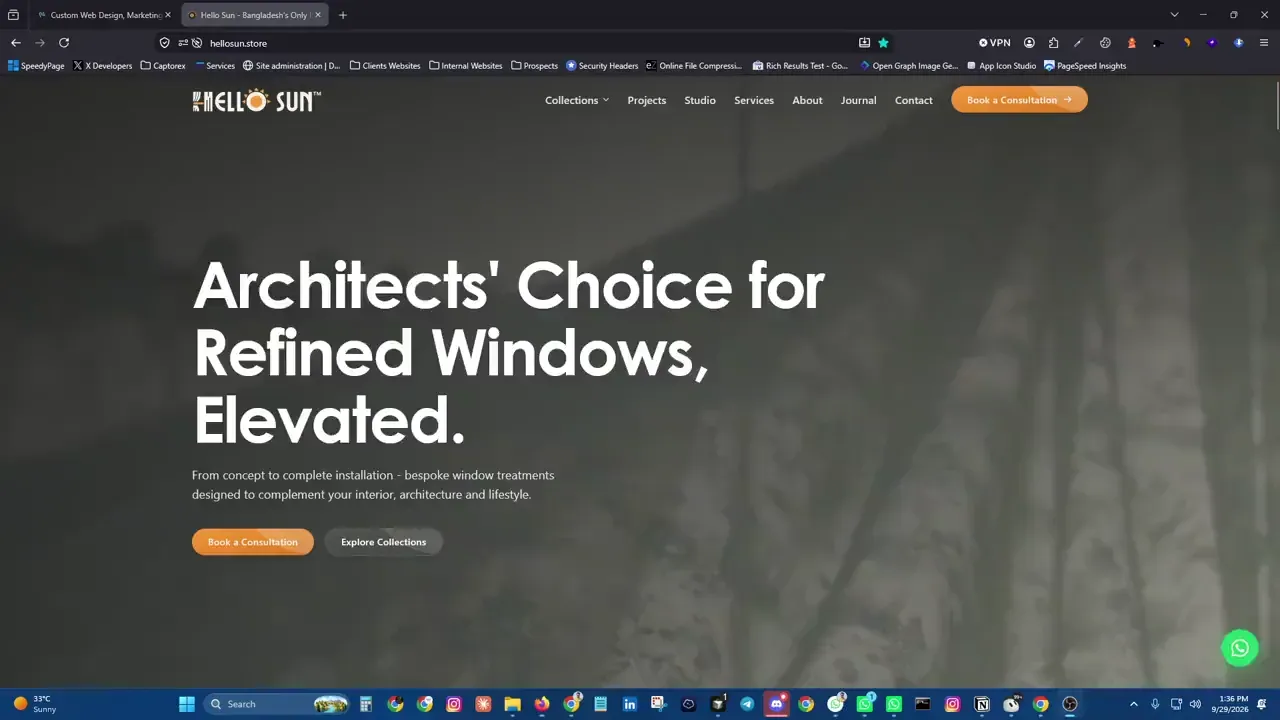
Hello Sun
Bespoke luxury curtain and window-treatment studio website showcasing fabric collections, project gallery, and consultation booking
Louisiana Golf Club
Shopify e-commerce store for premium golf clubs, equipment, and accessories with custom navigation
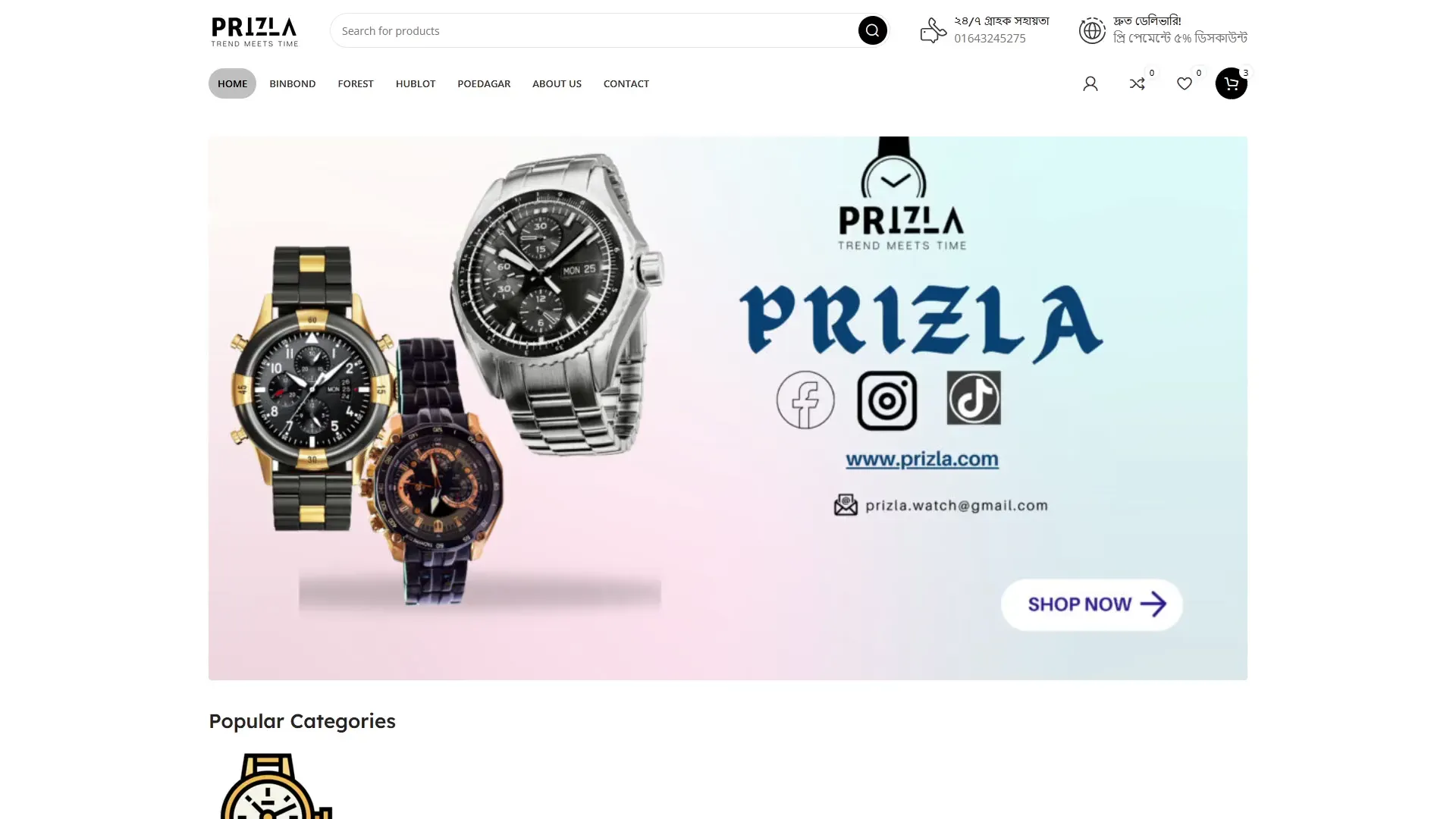
Prizla
WordPress WooCommerce watch retail store featuring Binbond, Forest, Hublot, and Poedagar brands

Inflatagolf
WordPress WooCommerce store for inflatable golf products and equipment
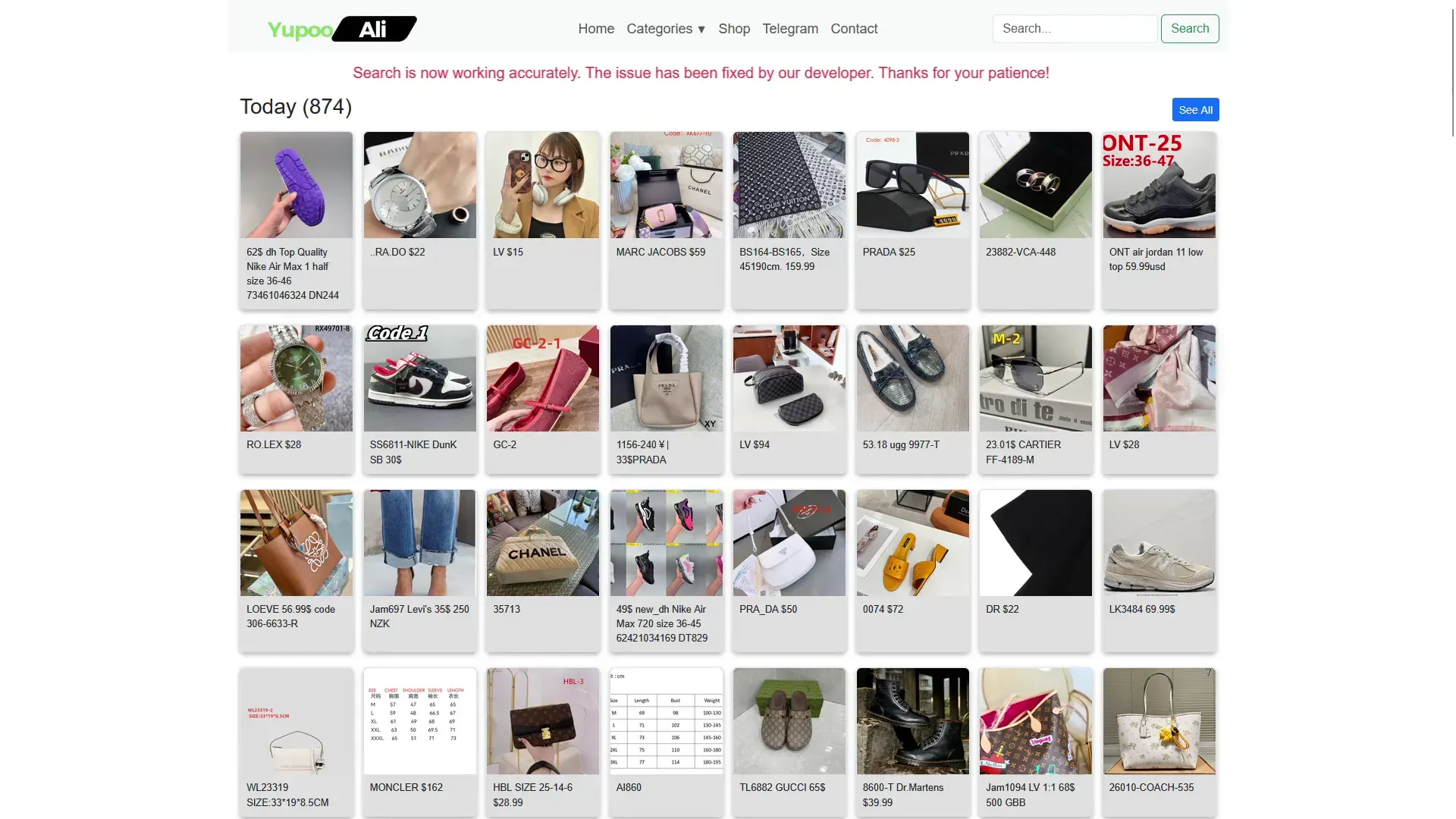
Yupoo Ali
High-volume product catalog search and inquiry web platform built on Django
Ali Hidden
Custom Django e-commerce platform, sister build to Yupoo Ali, sharing the same architecture for high-catalogue product search and feed automation
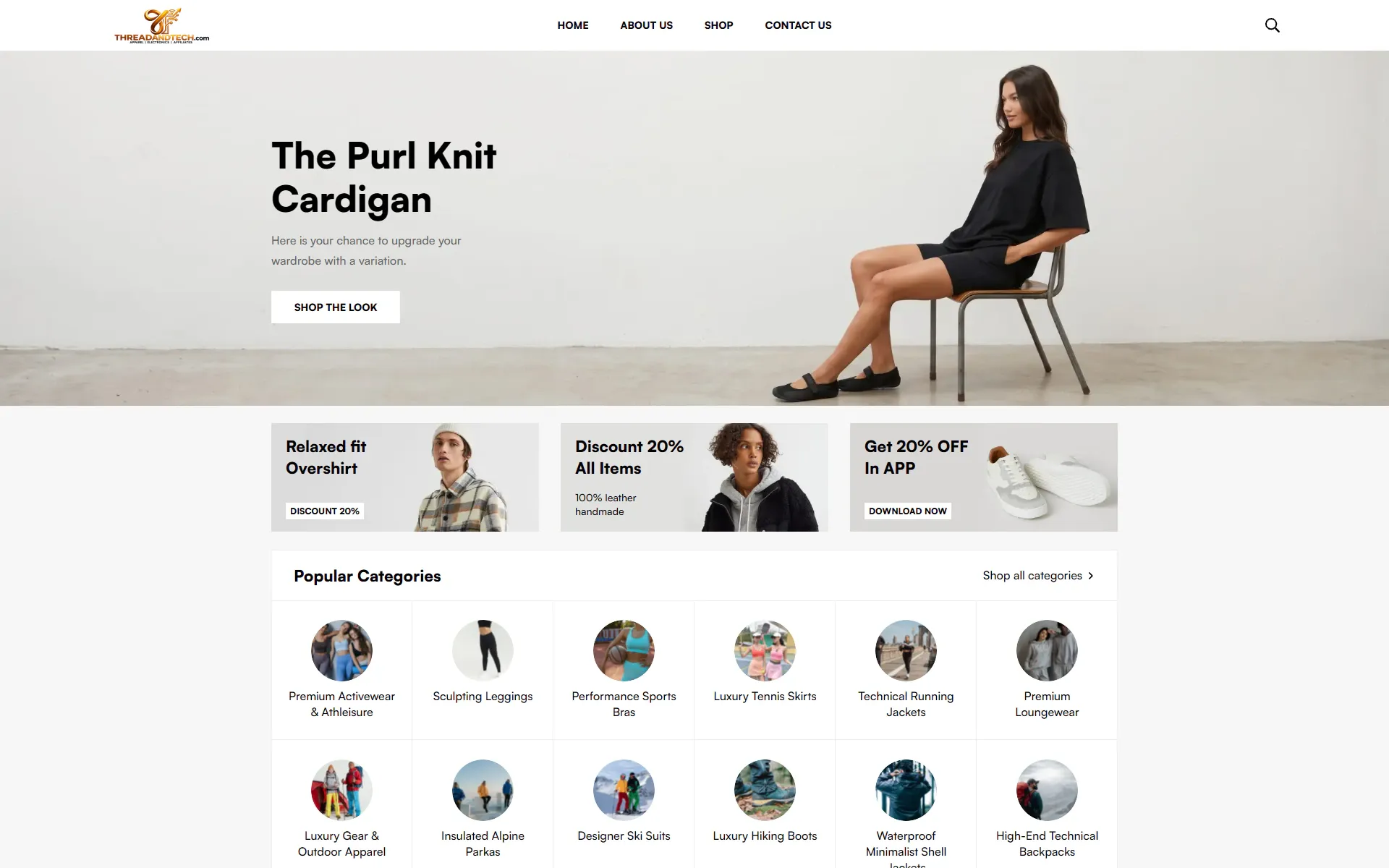
Thread & Tech
Affiliate guide to premium activewear and luxury outdoor gear, sending shoppers to each brand's own store
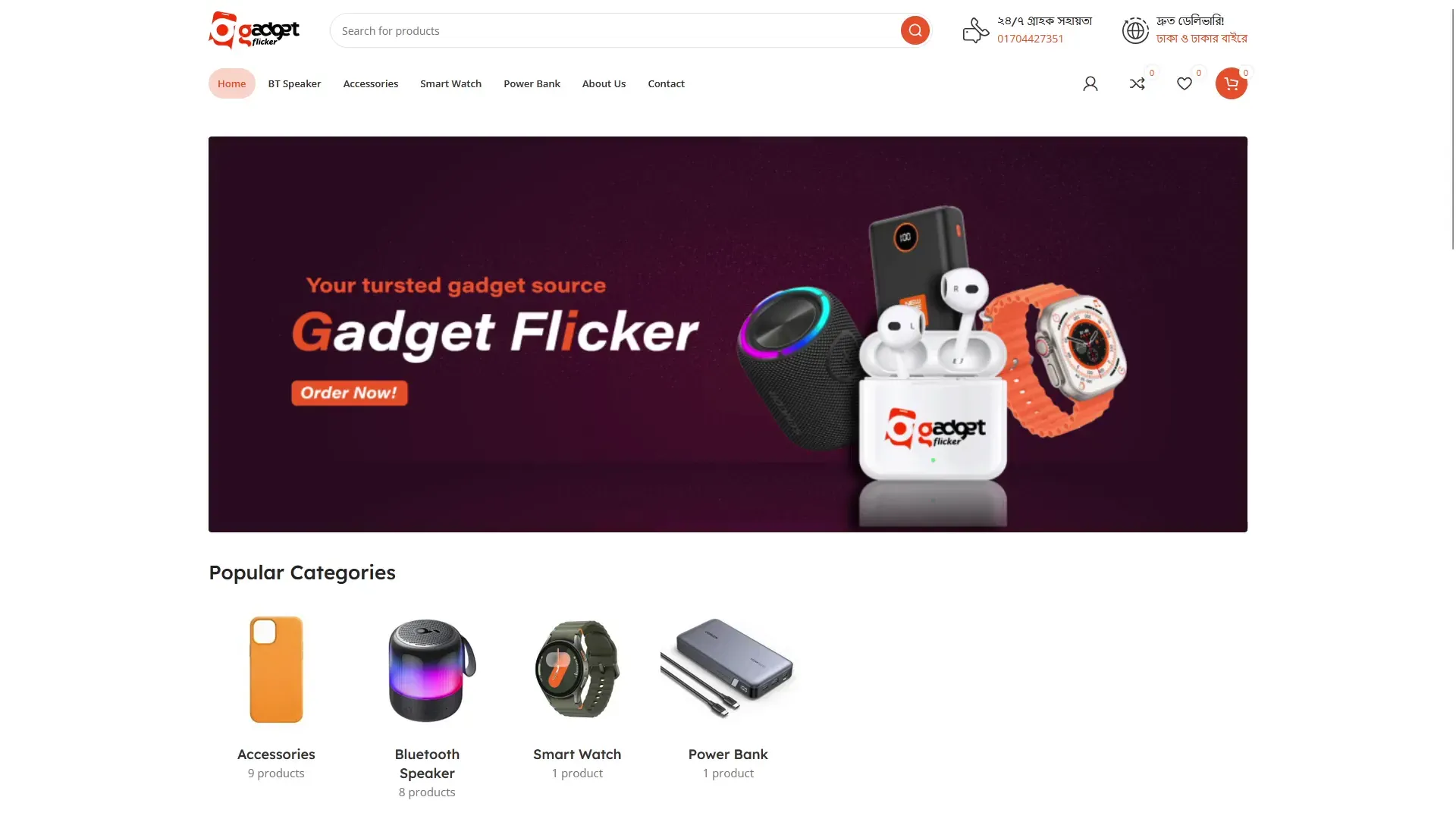
Gadget Flicker
E-commerce online store for consumer electronics, gadgets, and accessories with high-speed catalog navigation
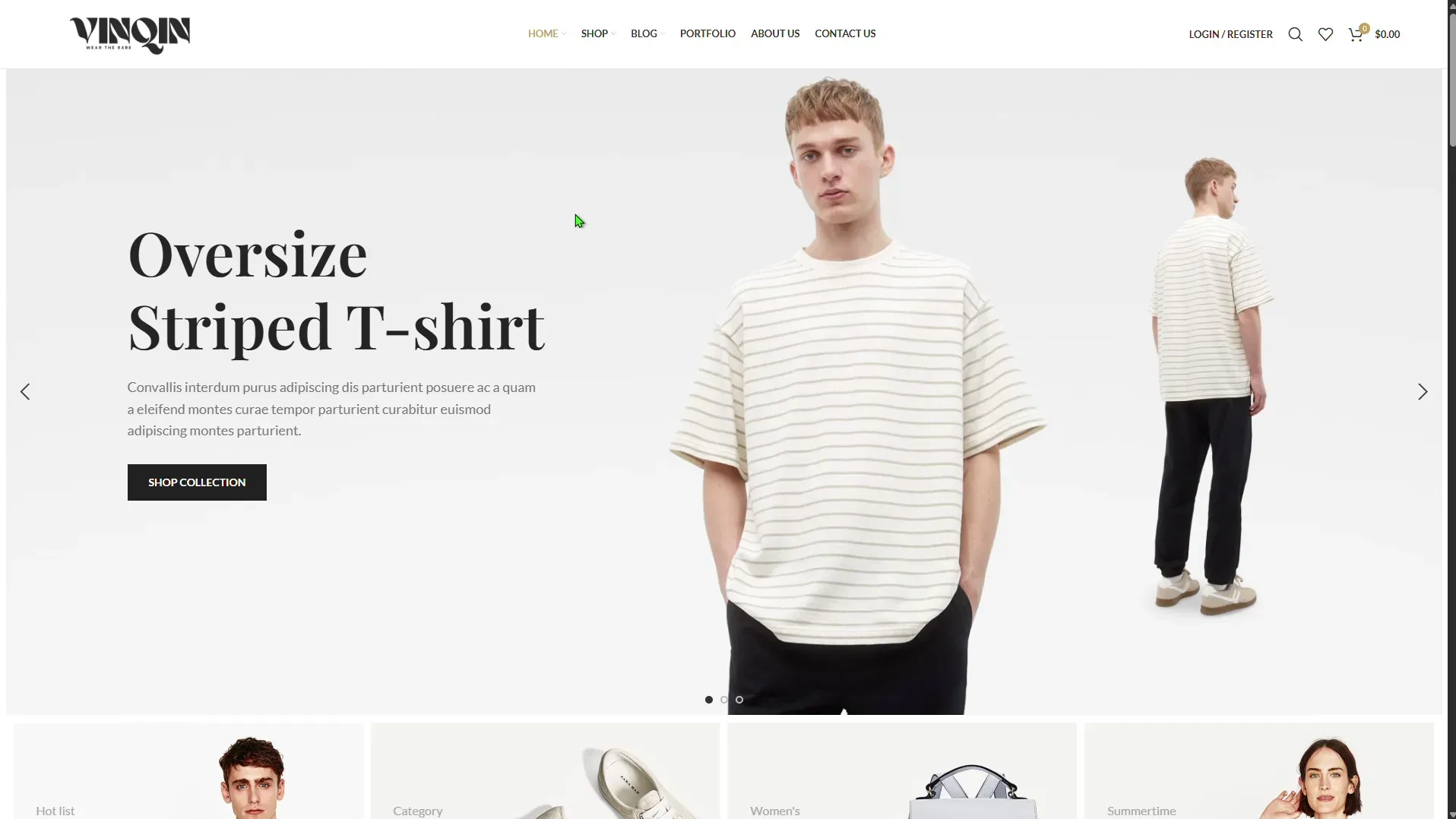
Vinqin
WordPress WooCommerce fashion and apparel store with the tagline "Wear The Rare"
Industry Context
Why E-commerce Web Design That Converts needs
custom systems
Core Requirement: E-commerce & Retail / High_Performance_Web
E-commerce web design is not another theme install. When checkout is slow, plugins conflict, or wholesale and retail fight over one storefront, every ad click leaks revenue. CodenVibe builds stores that fit how you actually sell: custom Django platforms for catalog-heavy wholesale, WooCommerce for Vinqin, Prizla, and Inflatagolf, and Shopify retail for Louisiana Golf Club. Same job every time, faster paths to purchase, cleaner ops, and a stack you can grow without constant patching.
Default Shopify and WooCommerce setups get a brand live. They stall when you need custom pricing, multi-warehouse inventory, B2B beside B2C, a product configurator, or a headless front end that actually hits Core Web Vitals. E-commerce web design done right means the platform bends to the business: theme or headless on Shopify/Woo when that is enough, bespoke Django when catalogue search, feeds, or workflows outrun the SaaS ceiling. Custom is the difference between patching forever and shipping a store that converts under real traffic.
Where operators
lose time
The gaps that burn owner hours and lose booked jobs.
Default themes flatten conversion
Built for every niche, tuned for none; weak PDPs and checkout friction kill paid and organic traffic.
Plugin stacks turn fragile
Twenty Woo plugins mean weight, conflicts, and outages when one update breaks checkout.
Slow mobile pages cost carts
Heavy themes and unoptimized media push load past three seconds; that is abandoned revenue.
B2B and B2C share a bad compromise
One default storefront serves neither wholesale nor retail well; inventory and pricing stay messy.
TechnicalOutput
Custom Shopify themes
Brand-fit merchandising, fast checkout, seasonal campaigns (Louisiana Golf Club).
Custom WooCommerce builds
Disciplined plugins, performance work, features the store actually needs (Vinqin, Prizla, Inflatagolf).
Headless ecommerce
Next.js storefronts on Shopify, Woo, or Django for speed and design control.
Bespoke Django storefronts
High-catalogue search, feeds, and workflows platforms cannot stretch to (Yupoo Ali family).
B2B + B2C on shared ops
Separate buyer experiences, one inventory and order pipeline.
Performance & conversion hardening
Sub-2.5s mobile targets, CWV, and CRO fixes backed by how the store sells.
Questions?
More answers on websites, SEO, and Care are on the full FAQ page.
Should I rebuild on Shopify, WooCommerce, or custom?
Shopify for standard D2C velocity; WooCommerce when content and WordPress depth matter; custom Django when pricing, sourcing, catalogue scale, or B2B outrun the platforms. We scope from how you sell, not a favorite stack.
How much does ecommerce web design cost?
Custom storefronts are quoted from the same Offer Menu floors as other sites (websites from $1,500). Catalogue size, payments, shipping rules, and B2B pricing change the scope. You get a fixed proposal before build starts.
Can you migrate without losing SEO or customers?
Yes: URL redirects, customer accounts, order history, and a staged cutover so the live store stays up until go-live. We plan the DNS window instead of promising zero risk.
Which payments and shipping setups do you support?
Stripe, PayPal, and the gateways your platform already supports, plus carrier rates, zones, and tax rules that match how you actually ship. Checkout is tested on mobile before launch.
Do you handle product feeds and Google Shopping?
When you sell shippable products, we can wire a clean product feed and Shopping campaigns separate from local Search. Install-only or service businesses need Search and call tracking instead, we do not mix those jobs in one campaign.
Can one store support both B2B and retail buyers?
Yes. We build separate buyer experiences (wholesale pricing, login, bulk flows) on shared inventory and order ops so retail and trade customers each see the right catalog.
Ready to turn your
Vision into a Live Site?
Every CodenVibe project is custom-quoted to ensure maximum ROI. Book a discovery call today to see if we're the right match for your scale.